
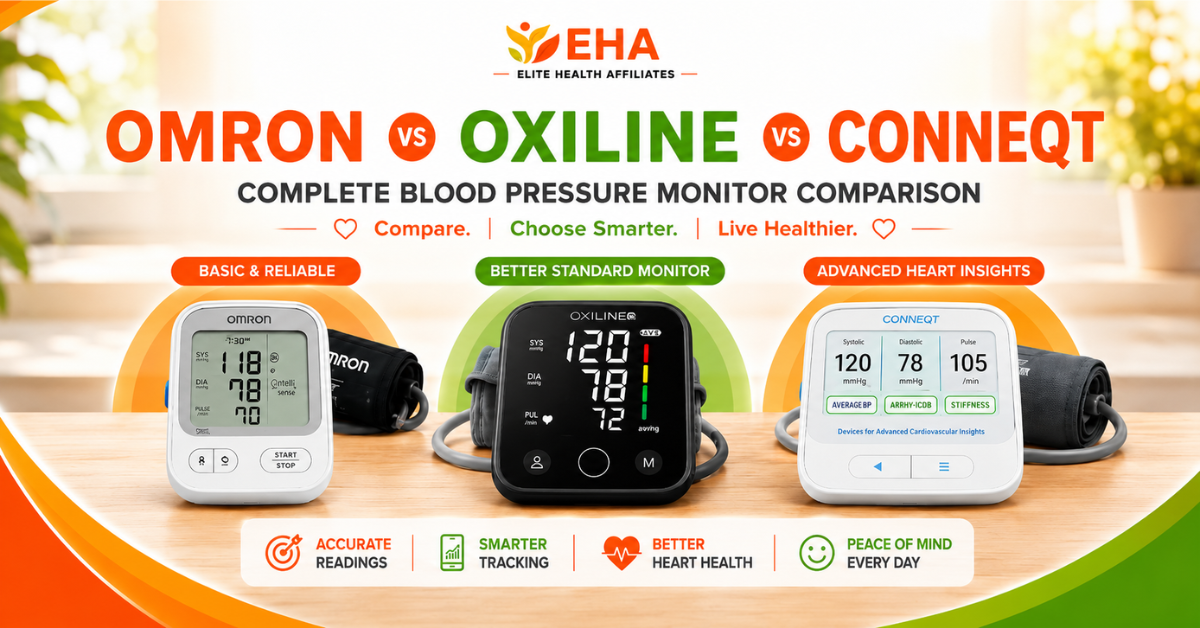
Choosing the right blood pressure monitor for home use can get confusing fast. Omron is one of the most recognizable names in the category, Oxiline has become a popular upgrade for users who want a more modern standard cuff, and Conneqt Pulse takes a different approach by going beyond traditional arm blood pressure readings.
That is why this comparison matters. These three devices are not really trying to serve the exact same user. The Omron 3 Series is built for simple, basic blood pressure checks. The Oxiline Pressure XS Pro is designed for users who want a stronger everyday home monitor with a larger display, app tracking, and a more polished experience. Conneqt Pulse is for people who want deeper cardiovascular insights, including measurements that go beyond the numbers you usually see on a traditional cuff.
So instead of asking which brand is the most popular, the better question is this: which monitor gives you the right level of information for your health goals?
In this complete blood pressure monitor comparison, we’ll look at Omron, Oxiline Pressure XS Pro, and Conneqt Pulse side by side to help you decide whether you need basic tracking, a better standard monitor, or advanced heart health insights from home.
This post contains affiliate links. If you purchase through them, we may earn a small commission at no extra cost to you.
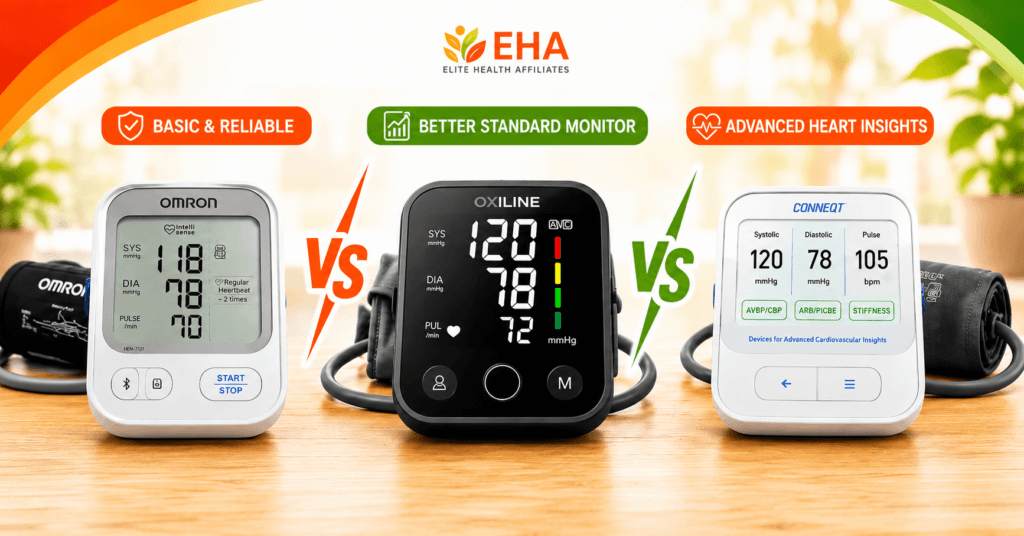
Table of Contents
Omron vs Oxiline vs Conneqt: Quick Answer
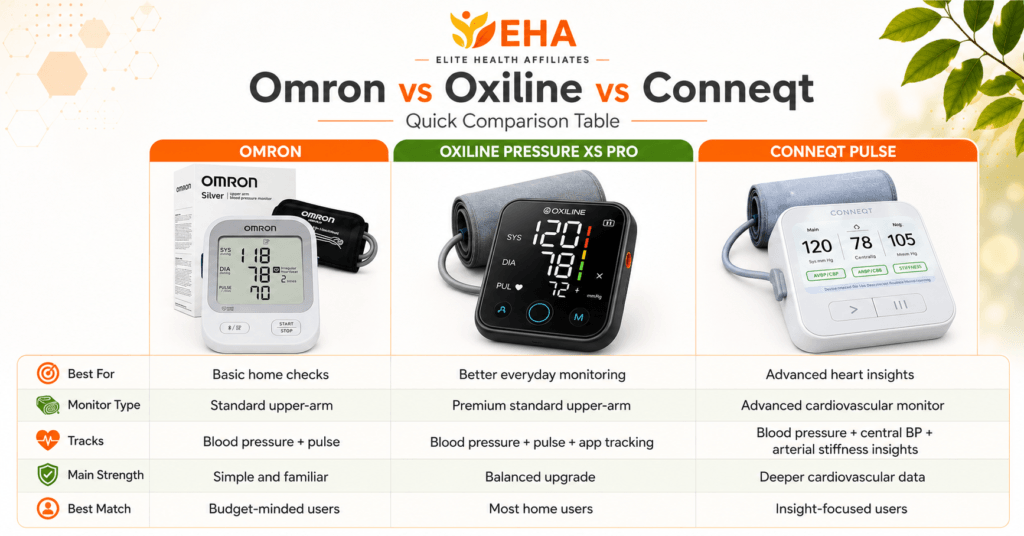
The biggest difference between Omron, Oxiline, and Conneqt comes down to how much information you want from your blood pressure monitor. Omron is the basic, familiar choice. Oxiline Pressure XS Pro is the better standard home monitor for users who want a more modern experience. Conneqt Pulse is the advanced option for people who want deeper heart health insights beyond traditional blood pressure numbers.
For simple blood pressure checks, the Omron 3 Series can make sense if you want an affordable device from a well-known brand. It gives you the core numbers most people expect: systolic pressure, diastolic pressure, and pulse. That may be enough for occasional tracking, but it is not the most complete option if you want better long-term monitoring, easier reading, or more advanced health data.
The Oxiline Pressure XS Pro is the stronger choice for most people who want a traditional upper-arm blood pressure monitor for home use. It keeps the familiar cuff-based design but adds a larger digital display, app tracking, a more polished feel, and a better overall monitoring experience. If you want a standard blood pressure monitor that feels like an upgrade from basic entry-level models, this is where Oxiline stands out.
Conneqt Pulse is different because it goes beyond standard arm blood pressure readings. Instead of only showing the usual systolic, diastolic, and pulse numbers, it is designed to provide advanced cardiovascular insights such as central blood pressure and arterial stiffness. That makes it a better fit for users who want to understand more about their heart and vascular health from home.
So the quick answer is simple: choose Omron if you only need basic readings, choose Oxiline Pressure XS Pro if you want the better everyday standard monitor, and choose Conneqt Pulse if you want advanced heart health insights that go beyond a traditional cuff.
Omron 3 Series: Best for Basic Blood Pressure Checks
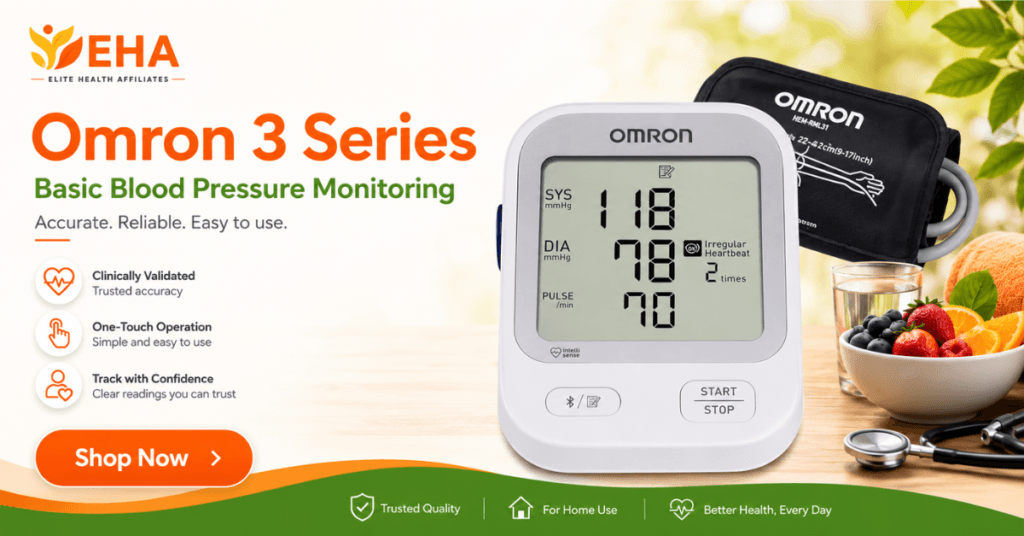
The Omron 3 Series is the most familiar option in this comparison, and that matters. Omron has been around for a long time, many people recognize the name, and the 3 Series gives users a simple way to check blood pressure at home without needing a complicated setup. For someone who only wants occasional readings and does not care about advanced tracking, it can still be a reasonable starting point.
Where Omron makes the most sense is basic monitoring. You place the cuff on your upper arm, start the reading, and get the standard numbers most people are used to seeing: systolic pressure, diastolic pressure, and pulse. That simplicity is the main appeal. It is not trying to be a full health platform, and it is not designed to provide deeper cardiovascular insight. It is a basic home blood pressure monitor from a recognizable brand.
The limitation is that basic can also feel limited, especially if you are trying to take home monitoring more seriously. A smaller display, fewer modern tracking features, and a more entry-level experience may be enough for occasional use, but they may not be ideal for someone who wants clearer readings, better long-term organization, or a more complete picture of their blood pressure trends over time.
That is why we view the Omron 3 Series as a good fit for budget-minded users who want simple home checks, not necessarily the best fit for users who want the strongest everyday monitor. It gives you the core numbers, but it does not offer the same upgraded experience as the Oxiline Pressure XS Pro or the advanced heart health insights of Conneqt Pulse.
If your goal is simply to check your blood pressure once in a while, Omron can make sense. But if your goal is to build a better home monitoring routine, track readings more consistently, or get more useful insight from your device, it is worth comparing Omron against stronger options before choosing the cheapest or most familiar name.
If you only need a simple monitor for occasional checks and prefer buying through Amazon, the Omron 3 Series can still be a reasonable starting point.
Oxiline Pressure XS Pro: Best Standard Home Blood Pressure Monitor
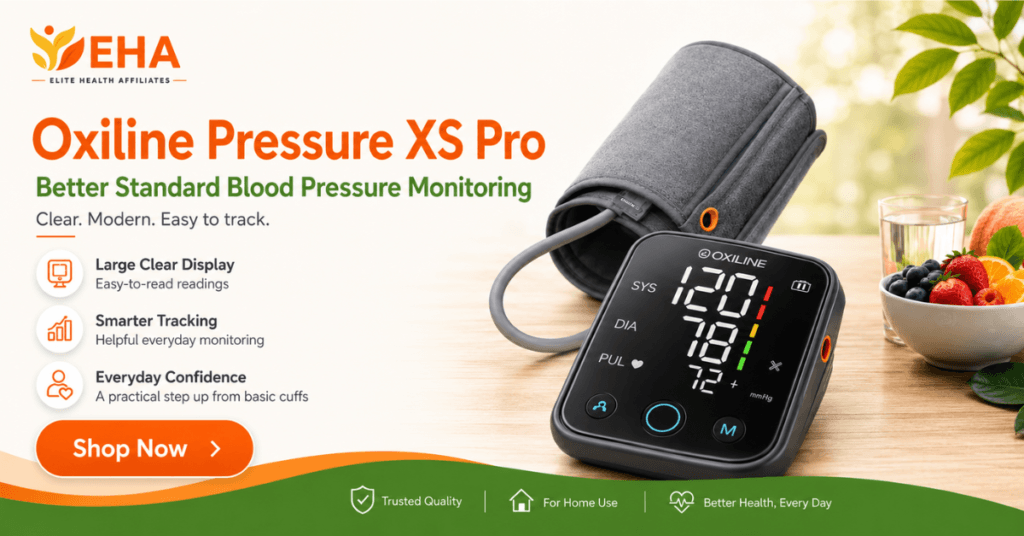
The Oxiline Pressure XS Pro is the better fit for users who want a traditional upper-arm blood pressure monitor, but do not want the most basic experience. It still gives you the familiar cuff-style reading most people expect, but the overall design feels more modern, easier to read, and more useful for everyday home tracking.
This is where Oxiline separates itself from a basic Omron-style monitor. The large digital display is easier to see at a glance, the readings feel more organized, and the device is built around a smoother home monitoring routine. For people who check blood pressure regularly, those small usability details matter. A monitor can be accurate on paper, but if it is frustrating to use or hard to read consistently, it becomes easier to skip readings or lose track of trends.
The Pressure XS Pro is also the most balanced option in this comparison. It does not go as deep as Conneqt Pulse, because it is not designed to measure advanced cardiovascular markers like central blood pressure or arterial stiffness. But for most home users, that may not be necessary. Many people simply want a reliable upper-arm monitor that feels like a meaningful upgrade from entry-level devices without moving into a more advanced health platform.
That makes Oxiline the strongest everyday choice for users who want better standard blood pressure monitoring. It is especially useful if you are trying to track your numbers more consistently, keep a closer eye on changes over time, or replace an older basic monitor with something that feels more current and easier to use.
If Omron is the simple starting point and Conneqt Pulse is the advanced insight option, Oxiline Pressure XS Pro sits in the middle as the practical upgrade. For most people comparing these three devices, that middle ground may be exactly what makes it the best fit.
If you want a better everyday blood pressure monitor without moving into advanced cardiovascular tracking, the Oxiline Pressure XS Pro is the strongest standard option in this comparison.
Conneqt Pulse: Best for Advanced Heart Health Insights
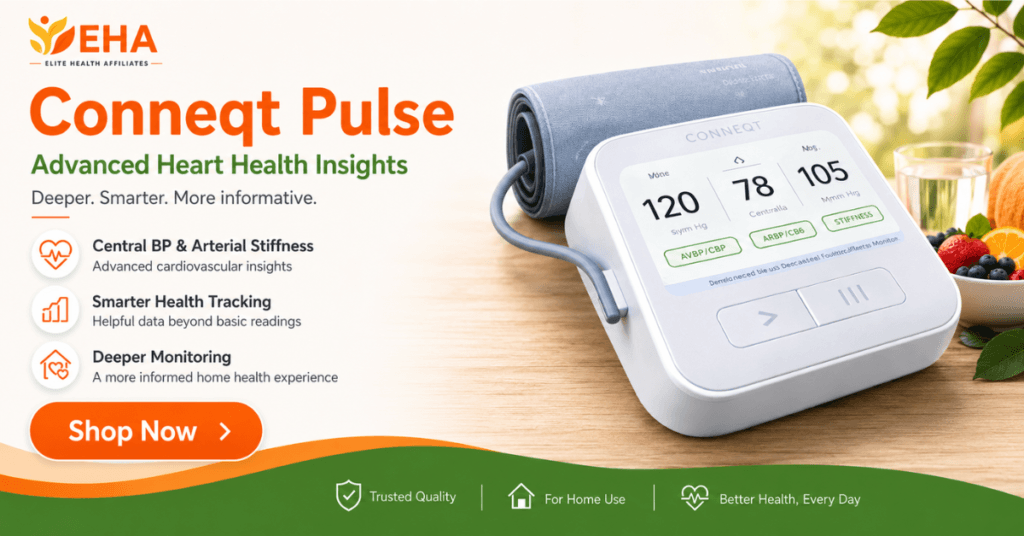
Conneqt Pulse is the most advanced option in this comparison because it is not just trying to be another standard blood pressure monitor. While Omron and Oxiline focus on traditional upper-arm blood pressure readings, Conneqt Pulse is designed for users who want to go deeper and understand more about what may be happening inside the cardiovascular system.
That difference matters. A traditional cuff gives you the numbers most people recognize: systolic pressure, diastolic pressure, and pulse. Those readings are important, but they do not always tell the full story. Conneqt Pulse adds another layer by measuring advanced cardiovascular data, including central blood pressure and arterial stiffness insights. For someone who wants more than a basic arm reading, that puts Conneqt in a different category.
This makes Conneqt Pulse a better fit for users who are serious about heart health monitoring from home. It may appeal to people who already track their blood pressure regularly, want more meaningful long-term insight, or feel like a standard cuff does not give them enough information. Instead of simply showing whether your arm blood pressure is high or low at the moment, Conneqt is built around helping users see a broader picture.
That does not mean everyone needs Conneqt Pulse. If you only want occasional readings, it may be more monitor than you need. If you want a better everyday cuff, Oxiline Pressure XS Pro is probably the more practical choice. But if your goal is advanced monitoring and deeper cardiovascular insight, Conneqt Pulse clearly offers the most complete data-focused experience of the three.
In this comparison, Conneqt Pulse is not the basic choice and it is not the middle-ground upgrade. It is the advanced heart health option for users who want to look beyond standard blood pressure numbers and take a more informed approach to home monitoring.
If you want more than basic blood pressure numbers, Conneqt Pulse is the device in this comparison built for deeper heart health insights from home.
Visit Conneqt Official Website →
Standard Blood Pressure Monitoring vs Advanced Heart Health Insights
One of the most important parts of this comparison is understanding that not every blood pressure monitor is trying to do the same job. Omron and Oxiline Pressure XS Pro are standard upper-arm blood pressure monitors. Conneqt Pulse is an advanced cardiovascular monitor that also measures blood pressure, but its purpose goes beyond the traditional numbers most people are used to seeing.
A standard blood pressure monitor focuses on the basics: systolic pressure, diastolic pressure, and pulse. Those numbers are still extremely important, especially if you are checking your blood pressure at home, sharing readings with a healthcare provider, or trying to see how your numbers respond to lifestyle changes. For many users, a good standard monitor is exactly what they need.
That is where the difference between Omron and Oxiline becomes important. Omron gives you the basic numbers in a simple format, while Oxiline Pressure XS Pro gives you a more upgraded standard monitoring experience. If you want something easier to read, easier to track, and more useful for regular home use, Oxiline is the stronger standard monitor in this comparison.
Conneqt Pulse is different because it is designed for people who want more than the usual arm blood pressure reading. It provides advanced heart health insights such as central blood pressure and arterial stiffness, which can give users a deeper look at cardiovascular health from home.
We cover this difference in more detail in our guide: standard vs advanced blood pressure devices for home use, where we explain how basic cuffs compare to newer devices that measure deeper cardiovascular markers.
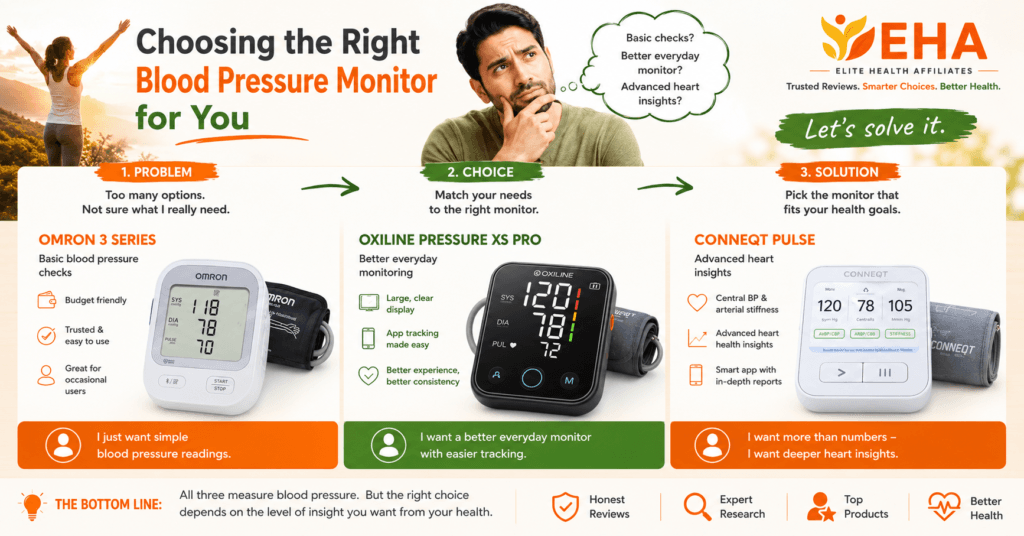
The best choice depends on how much insight you actually want. If you only need occasional basic readings, Omron may be enough. If you want a better everyday blood pressure monitor, Oxiline Pressure XS Pro makes more sense. If you want advanced cardiovascular data and deeper heart health insights, Conneqt Pulse is the more complete option.
Additional Resources to Help You Choose
Choosing between Omron, Oxiline, and Conneqt depends on how simple or advanced you want your home monitoring routine to be. If you are still comparing features, accuracy, and long-term value, these related guides can help you take the next step.
Oxiline Pressure XS Pro Review →
Best if you want a closer look at the standard monitor we recommend over basic entry-level cuffs.
Is the Oxiline Pressure XS Pro Accurate? →
Best if accuracy and reading consistency are your biggest concerns before choosing a monitor.
Conneqt Pulse Review →
Best if you want to understand how Conneqt Pulse works as an advanced heart health monitor.
Conneqt Pulse Accuracy Guide →
Best if you want more detail on central blood pressure, arterial stiffness, and how advanced readings compare to traditional monitoring.
Best Blood Pressure Monitors for Home Use →
Best if you want to compare more options before deciding which device fits your needs.
EHA Verdict: Which One Makes the Most Sense?

After comparing Omron, Oxiline Pressure XS Pro, and Conneqt Pulse, the best choice comes down to how serious you are about home monitoring.
The Omron 3 Series is fine for basic blood pressure checks. It gives you the core numbers and comes from a recognizable brand, but it feels more like a simple starting point than the best long-term choice for regular home tracking.
The Oxiline Pressure XS Pro is the better pick for most people who want a standard upper-arm blood pressure monitor. It offers a more polished experience, easier reading, and better support for everyday use, making it the stronger option if you want a practical monitor you can rely on at home.
Conneqt Pulse is the best choice if you want advanced heart health insights instead of just basic arm blood pressure readings. It is not the device everyone needs, but for users who want deeper cardiovascular data from home, it clearly stands apart from a traditional cuff.
Our overall verdict is simple: Omron is the basic choice, Oxiline Pressure XS Pro is the best standard home monitor, and Conneqt Pulse is the advanced option for users who want more insight into their heart and vascular health.
Where to Buy
Each blood pressure monitor in this comparison has a different best buying path. To keep things simple, we recommend choosing the device first, then using the buying option that makes the most sense for that product.
For the Omron 3 Series, Amazon is the best fit. It is a basic, widely available blood pressure monitor, and Amazon makes it easy to compare current pricing, shipping, and customer feedback before buying.
For the Oxiline Pressure XS Pro, we recommend buying through the official Oxiline website. This gives you the clearest access to current offers, warranty details, and any available direct-purchase savings. Since Oxiline is the standard monitor we recommend over basic entry-level cuffs, buying direct also keeps the experience aligned with the product’s stronger long-term value.
For Conneqt Pulse, the official Conneqt website is the right buying path. Conneqt is the advanced heart health monitor in this comparison, so buying direct gives you the best access to current pricing, product details, setup information, and support.
Shop the Blood Pressure Monitor That Fits Your Needs
Explore More Blood Pressure Monitor Guides
Choosing between Omron, Oxiline, and Conneqt is a great starting point, but there are more factors to consider when comparing home blood pressure monitors. Some users want a simple cuff for occasional checks, while others want stronger tracking, better accuracy support, or advanced cardiovascular insights that go beyond basic readings.
We’ve put together more guides to help you compare your options, understand the differences between standard and advanced monitoring, and choose a device that fits your home health routine.