
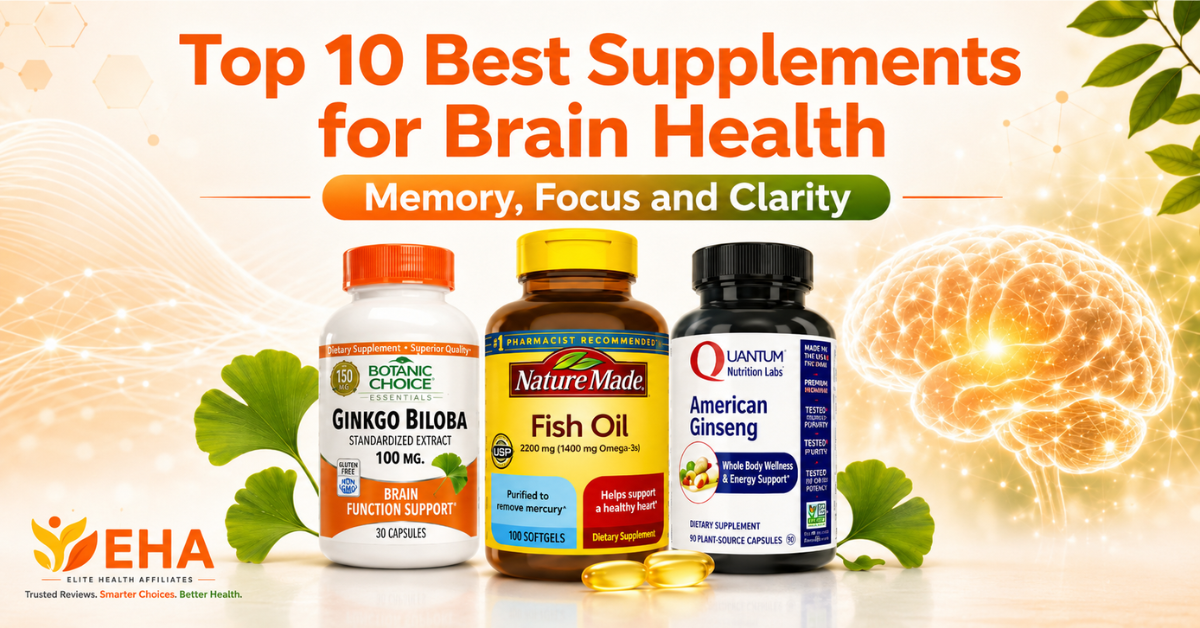
Finding the best supplements for brain health starts with understanding what type of support you actually need. Some supplements are better suited for memory and focus, while others may support circulation, stress management, mental energy, or nutritional gaps that affect how clearly you think.
In this guide, we rank 10 popular brain health supplements and explain what each one does, who it may be best for, and what to consider before buying. We cover familiar options such as fish oil, ginkgo biloba, Bacopa, turmeric, vitamin B12, and ginseng while keeping the benefits realistic and avoiding exaggerated promises.
Supplements are most effective when they support a healthy routine that already includes quality sleep, regular exercise, balanced nutrition, and mental activity. Our goal is to make the options easier to compare so you can choose the support that best fits your memory, focus, and overall brain health goals.
Table of Contents
How We Chose the Best Supplements for Brain Health
Not every supplement marketed for memory or focus deserves a place on this list. We considered the quality of the available research, the ingredient’s role in brain function, safety, practical usefulness, and whether the potential benefits match the claims commonly made about it.
Some supplements have been studied for memory, attention, or mental fatigue, while others are most helpful when they correct a nutritional deficiency. That distinction matters. Vitamin B12, for example, is essential for the nervous system, but taking more than you need does not automatically produce sharper thinking. Likewise, herbal supplements may support certain aspects of cognitive performance without preventing dementia or reversing age-related decline.
Our rankings reflect the overall usefulness of each option rather than declaring one ingredient perfect for everyone. The best choice depends on your diet, age, medications, health conditions, and the specific type of support you are looking for.
Top 10 Best Supplements for Brain Health Ranked
1. Fish Oil
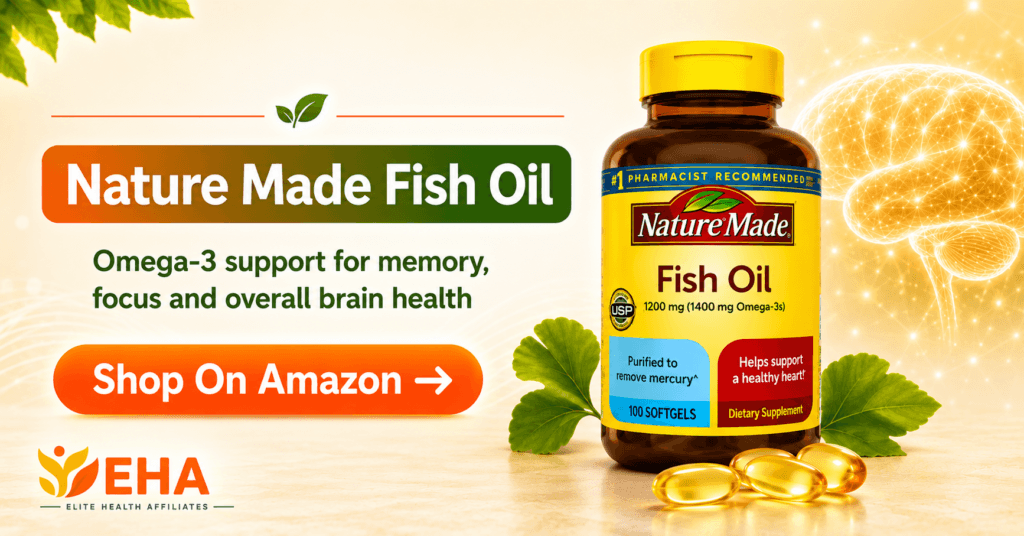
Fish oil earns the top position because it supplies the omega-3 fatty acids EPA and DHA. DHA is an important structural component of the brain, while EPA is commonly associated with inflammatory balance and cardiovascular support. Together, they help provide nutritional support for the brain, heart, and nervous system.
The strongest reason to consider fish oil is not that it instantly improves memory. Its value comes from helping people obtain omega-3s when they do not regularly eat fatty fish such as salmon, sardines, or mackerel. Research examining omega-3 supplements and cognitive decline has produced mixed results, so fish oil should be viewed as nutritional support rather than a guaranteed cognitive enhancer.
Look for a product that clearly lists the amounts of EPA and DHA rather than displaying only the total quantity of fish oil. Third-party testing and purification standards can also help confirm quality.
Best for: People who rarely eat fatty fish and want broad nutritional support for the brain and heart.
What to consider: Fish oil may cause digestive discomfort or a fishy aftertaste and may not be appropriate with certain blood-thinning medications without medical guidance.
2. Bacopa Monnieri
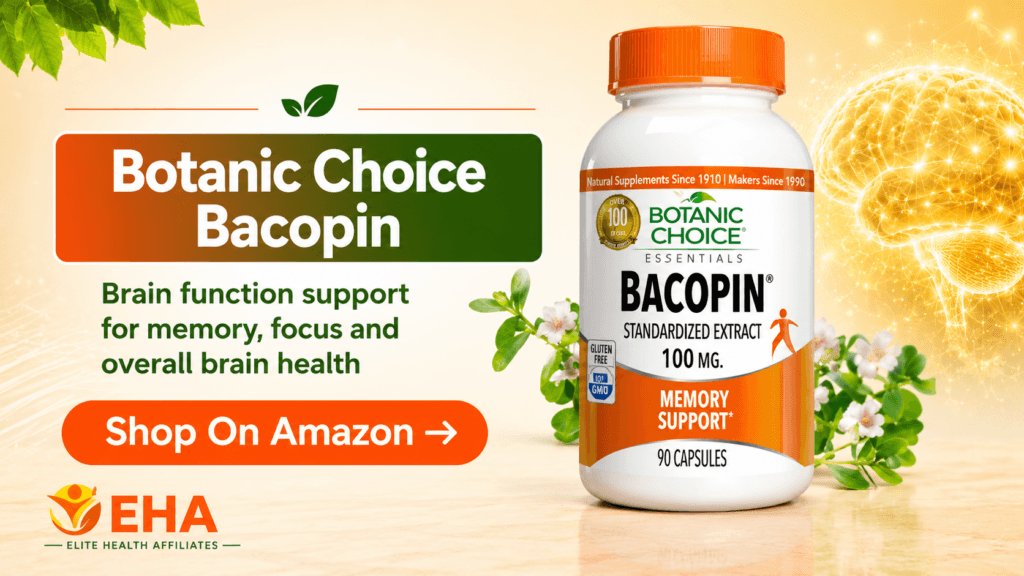
Bacopa monnieri is an herbal ingredient traditionally used in Ayurvedic practices and is now commonly included in memory and focus supplements. It has attracted attention for its potential to support memory recall, learning, and the ability to process new information.
Unlike stimulants that may produce a noticeable feeling shortly after taking them, Bacopa is generally used consistently over time. Research remains limited, and results vary based on the extract, dose, and study population. However, it remains one of the more frequently studied herbs specifically associated with memory support.
Standardization matters when comparing products. A label that identifies the concentration of bacosides provides more useful information than one listing only the total weight of Bacopa powder.
Best for: Adults looking for non-stimulant memory and learning support.
What to consider: Bacopa may cause nausea, cramping, or other digestive side effects, especially when taken on an empty stomach.
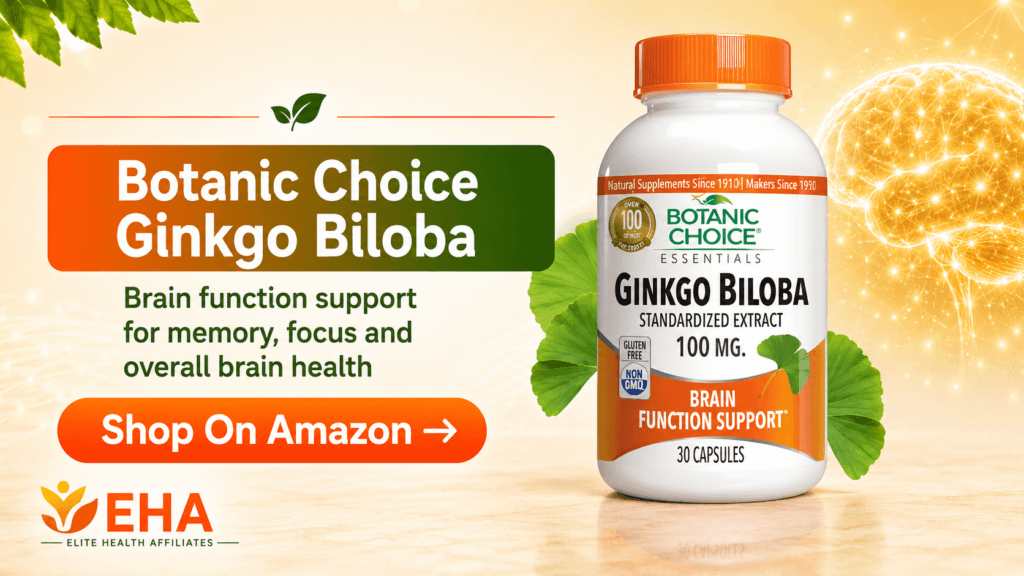
3. Ginkgo Biloba
Ginkgo biloba is one of the most recognizable ingredients in the brain health category. It is commonly marketed for circulation, memory, and mental sharpness, which makes it a frequent choice for people who feel less focused than they once did.
The evidence is more complicated than the marketing suggests. Some studies have examined standardized ginkgo extracts for dementia symptoms, but findings have been inconsistent. A large, long-term clinical trial also found that ginkgo did not prevent dementia or slow cognitive decline in older adults. Its effects on cognitive performance in healthy people remain uncertain.
Ginkgo still belongs on the list because of its popularity, long history of use, and continued interest as a circulation-focused herbal supplement. It should simply be purchased with realistic expectations rather than treated as protection against memory loss.
Best for: Adults interested in traditional herbal support for circulation and mental performance.
What to consider: Ginkgo may increase bleeding risk and can interact with anticoagulants, antiplatelet medications, and other drugs.
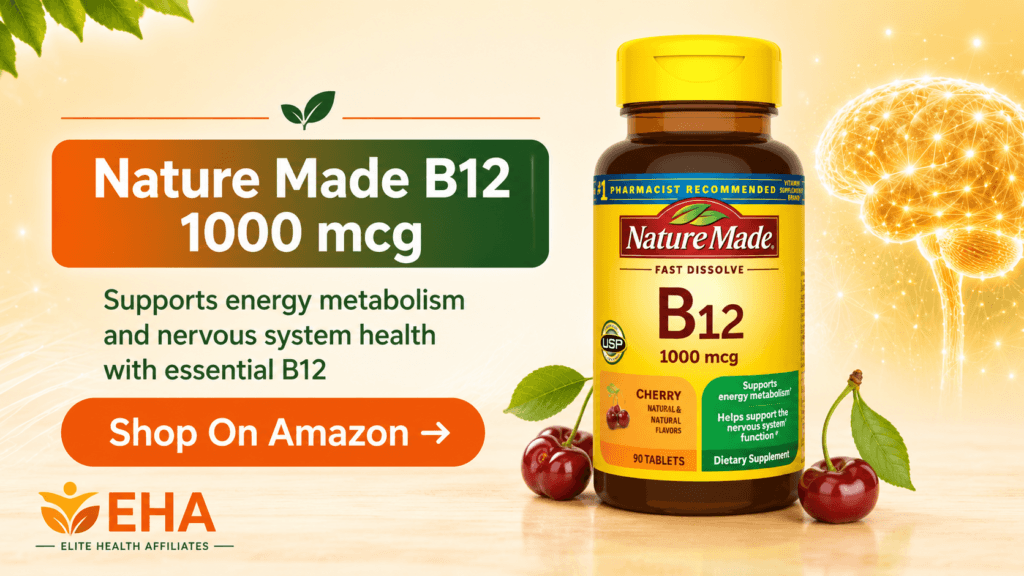
4. Vitamin B12
Vitamin B12 supports the development, myelination, and normal function of the central nervous system. A deficiency can contribute to fatigue, confusion, numbness, tingling, and neurological problems, making B12 especially important when low levels are behind changes in energy or mental clarity.
Older adults, vegans, vegetarians, people taking metformin, and those using acid-reducing medications may be more likely to have difficulty obtaining or absorbing enough B12. In these cases, testing can help determine whether supplementation is necessary.
B12 is not a universal memory booster. People who already have adequate levels should not expect large cognitive improvements simply from taking more. Its real value comes from preventing or correcting a deficiency that may otherwise affect the nervous system.
Best for: People with low B12 levels or a higher risk of deficiency.
What to consider: Ask a healthcare provider whether a blood test is appropriate before assuming B12 is the source of fatigue or brain fog.
5. Ashwagandha
Ashwagandha is best known as an adaptogenic herb used for stress support. Stress can make it harder to concentrate, sleep well, retain information, and feel mentally present. By helping some people manage stress more effectively, ashwagandha may indirectly support clearer thinking and better daily performance.
This does not make it a direct memory enhancer. Its place on the list comes from addressing one of the common factors that interferes with focus: feeling mentally and physically overwhelmed. It may be a better match for someone whose concentration problems become worse during stressful periods than for someone seeking a traditional nootropic.
Best for: Adults whose focus and mental energy are affected by ongoing stress.
What to consider: Ashwagandha may interact with thyroid medications, sedatives, blood pressure treatments, diabetes medications, and immune-suppressing drugs. It is not appropriate for everyone, including some people who are pregnant.

Our guide to Are Nature Made Multivitamins Actually Worth It? looks at affordability, availability, ingredient quality, and the brand’s straightforward approach to everyday supplementation.
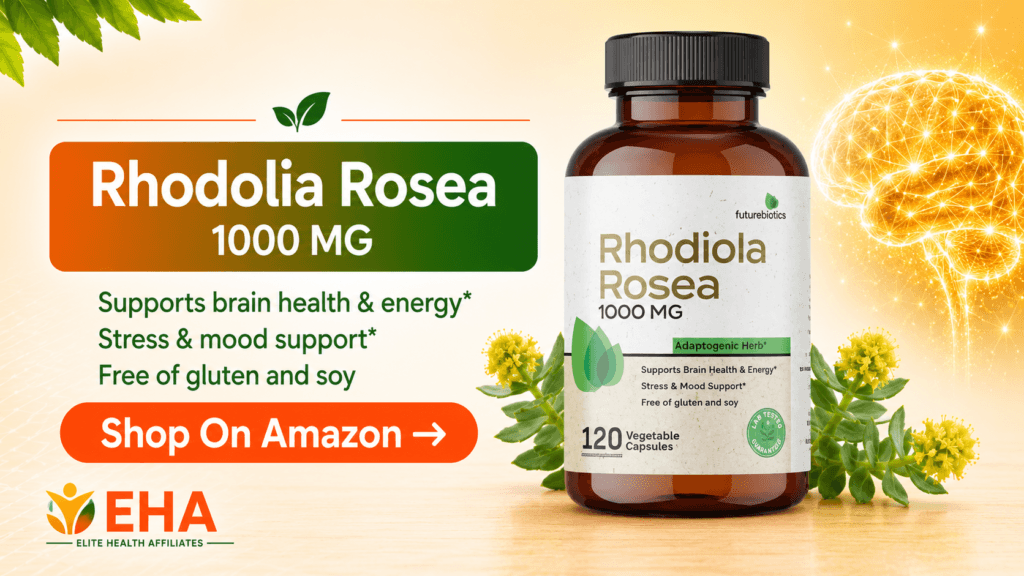
6. Rhodiola Rosea
Rhodiola rosea is another adaptogenic herb, but it is usually selected for mental fatigue, stamina, and resilience during stressful periods. It may appeal to people who feel mentally drained rather than forgetful.
Some users choose Rhodiola when they want daytime support without relying on high amounts of caffeine. It may help them feel better equipped to handle demanding work, long days, or mentally tiring tasks, although individual responses vary and research is not conclusive.
Rhodiola products may differ considerably in quality. Look for a standardized extract that clearly identifies its active compounds rather than an unidentified proprietary blend.
Best for: Mental fatigue and stress-related loss of concentration.
What to consider: Rhodiola may feel stimulating to some people and could interfere with sleep when taken too late in the day.
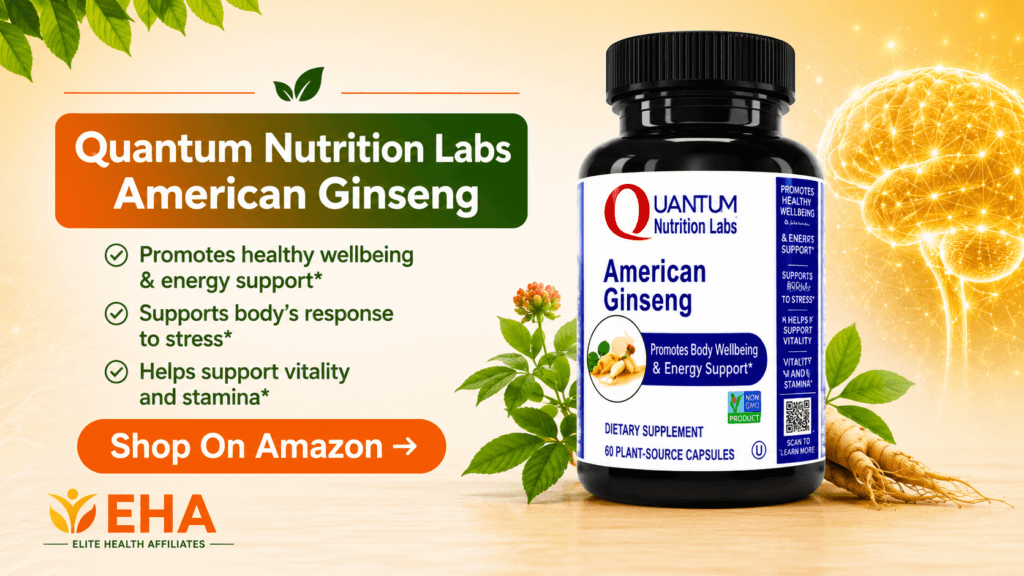
7. American Ginseng
American ginseng is traditionally used for energy, resilience, and whole-body wellness. In a brain health routine, its most practical role may be supporting mental energy and helping users feel less worn down during demanding periods.
It should not be confused with a fast-acting stimulant. Ginseng is better suited to people looking for broader wellness support that includes energy and cognitive performance rather than an immediate burst of alertness.
The type of ginseng matters. American, Asian, Korean, and Siberian ginseng are not interchangeable, and Siberian ginseng is technically a different plant. Check the label carefully so you know which ingredient and extract you are buying.
Best for: Adults seeking broader energy and mental-performance support.
What to consider: Ginseng can interact with medications and may affect blood sugar, sleep, and blood clotting.
8. Turmeric and Curcumin
Turmeric contains curcumin, a compound widely studied for its antioxidant and inflammatory properties. Because long-term brain health is connected to the health of the entire body, turmeric may provide useful general wellness support when included as part of a balanced routine.
However, curcumin has not been proven to prevent Alzheimer’s disease or dementia. Laboratory findings have generated interest, but those results have not translated into conclusive clinical evidence for preventing cognitive decline in people.
Absorption is another consideration. Some formulas combine curcumin with piperine or use specialized delivery systems designed to improve bioavailability. These additions may also change how the supplement interacts with medications.
Best for: People looking for antioxidant and whole-body inflammatory support.
What to consider: Curcumin may interact with blood thinners and may aggravate certain gallbladder or digestive problems.
Our Quantum Nutrition Labs Review explores its whole-food formulas, practitioner-focused products, and more specialized approach to nutritional support.
9. Choline
Choline is an essential nutrient involved in producing acetylcholine, a neurotransmitter that contributes to memory, mood, muscle control, and other nervous-system functions. It is naturally available in foods such as eggs, meat, fish, dairy products, soybeans, and certain vegetables.
A choline supplement may be worth considering when dietary intake is consistently low. However, taking increasingly large doses is not a shortcut to better memory. The goal is to meet nutritional needs rather than overwhelm the body with more than it can use.
Choline supplements are available in several forms, including choline bitartrate, citicoline, and alpha-GPC. These forms differ in cost, composition, and the amount of research behind them.
Best for: People whose diets provide limited sources of choline.
What to consider: High intakes may cause nausea, sweating, low blood pressure, or a fishy body odor.
10. Acetyl-L-Carnitine
Acetyl-L-carnitine is a form of carnitine involved in cellular energy production. It is commonly included in supplements designed to support mental energy, healthy aging, and mitochondrial function.
The research is not strong enough to present acetyl-L-carnitine as a dependable memory enhancer for healthy adults. It ranks lower because its potential cognitive benefits are less established than the nutritional roles of omega-3s, vitamin B12, and choline.
It may still appeal to people interested in cellular-energy support, particularly when mental and physical fatigue occur together. Expectations should remain realistic, and it should not replace an evaluation for persistent fatigue or cognitive changes.
Best for: Adults interested in cellular-energy and healthy-aging support.
What to consider: Possible side effects include digestive discomfort, restlessness, and a noticeable body odor.
For a broader selection of traditional herbs, vitamins, and targeted wellness products, our Botanic Choice Supplements Review explains what the brand offers and who it may be best for.
Best Supplements for Brain Health Comparison
| Supplement | Primary Type of Support | Best Match | Evidence Consideration |
|---|---|---|---|
| Fish oil | Omega-3 nutritional support | People who rarely eat fatty fish | Strong biological role, mixed cognitive trial results |
| Bacopa monnieri | Memory and learning support | Non-stimulant cognitive support | Promising but still limited |
| Ginkgo biloba | Circulation and traditional memory support | Herbal supplement users | Inconsistent; does not prevent dementia |
| Vitamin B12 | Nervous-system and deficiency support | People with low levels | Most useful when deficiency exists |
| Ashwagandha | Stress support | Stress-related difficulty focusing | Indirect cognitive support |
| Rhodiola rosea | Mental fatigue and stamina | Demanding or stressful periods | Limited and product-dependent |
| American ginseng | Energy and general wellness | Broader mind-and-body support | Not a guaranteed cognitive enhancer |
| Turmeric or curcumin | Antioxidant and inflammatory support | Whole-body wellness | Not proven to prevent dementia |
| Choline | Neurotransmitter and nutritional support | Low dietary choline intake | Essential nutrient; extra is not always better |
| Acetyl-L-carnitine | Cellular energy | Mental and physical fatigue | Cognitive evidence remains limited |
Which Brain Health Supplement Is Right for You?
The most useful supplement is the one that matches the reason you are considering it. Someone who rarely eats fish has different nutritional needs from someone whose concentration suffers during stressful weeks. Likewise, a person with a confirmed vitamin B12 deficiency needs a different solution from someone simply looking for extra daytime focus.
For broad nutritional support, fish oil, vitamin B12, and choline may be sensible starting points when diet or testing shows a need. Bacopa and ginkgo are more closely associated with traditional memory support, while ashwagandha and Rhodiola may be better suited to stress and mental fatigue. Turmeric and American ginseng fit more naturally into a whole-body wellness routine.
Avoid starting several products at once. Introducing one supplement at a time makes it easier to determine how your body responds and whether the product provides any noticeable value. It also reduces the risk of unknowingly combining ingredients that affect the same medications or body systems.
Are Brain Health Supplements Safe?
A supplement being natural does not automatically make it harmless. Herbal ingredients can affect blood pressure, blood sugar, sleep, thyroid function, bleeding risk, and the way medications work. Even vitamins and minerals can cause problems when taken in unnecessarily high amounts.
Speak with a healthcare professional before adding a brain health supplement when you take prescription medication, have a chronic health condition, are pregnant or nursing, or are preparing for surgery. This is especially important with ginkgo, ginseng, fish oil, turmeric, and other ingredients that may affect clotting or interact with medication.
Persistent memory problems, confusion, sudden cognitive changes, or difficulty completing normal tasks should not be self-treated with supplements. Those symptoms deserve a medical evaluation to identify the underlying cause.
Healthy Habits That Support Brain Function
Supplements are only one part of supporting the brain. Quality sleep, physical activity, blood pressure management, balanced nutrition, social connection, and mentally challenging activities all contribute to long-term cognitive health.
Regular exercise supports circulation throughout the body, while sleep gives the brain time to recover and consolidate memories. A diet containing vegetables, fruit, whole grains, healthy fats, and adequate protein also supplies nutrients that supplements cannot fully replace.
Brain health does not depend on finding one perfect capsule. The strongest routine combines sensible nutrition with movement, sleep, stress management, and activities that keep you learning and engaged.
Frequently Asked Questions About Brain Health Supplements
What is the best supplement for brain health?
Fish oil is our top overall choice because omega-3 fatty acids provide broad nutritional support for the brain and nervous system. However, the best option depends on your diet and goals. Vitamin B12 may be more useful for someone with a deficiency, while Bacopa may better match someone specifically interested in memory support.
Do brain supplements really improve memory?
Some ingredients have shown potential in limited studies, but no supplement produces guaranteed memory improvement. Results depend on the ingredient, product quality, length of use, overall health, and whether a nutritional deficiency or another correctable issue is present.
How long do brain supplements take to work?
The timeline varies. Nutritional deficiencies may improve after levels are restored, while herbal ingredients such as Bacopa are generally used consistently rather than expected to provide an immediate effect. Some people notice no meaningful difference.
Can I take several brain supplements together?
Combining products increases the chance of duplicated ingredients, excessive doses, and medication interactions. Review every label and speak with a healthcare professional before building a multi-supplement routine.
Are brain supplements safe for older adults?
They may be appropriate for some older adults, but medication interactions and existing medical conditions make professional guidance especially important. Older adults may also benefit from testing for deficiencies such as vitamin B12 before choosing a supplement.
Can supplements prevent dementia or Alzheimer’s disease?
No supplement has been conclusively shown to prevent dementia or Alzheimer’s disease. Ginkgo and curcumin are frequently promoted for this purpose, but current evidence does not support presenting them as proven preventive treatments.
EHA Verdict

The best supplements for brain health provide specific support rather than promising a dramatic mental transformation. Fish oil takes our top position for broad nutritional value, while Bacopa stands out for memory-focused herbal support. Vitamin B12 deserves special attention for anyone at risk of deficiency, and adaptogens such as ashwagandha and Rhodiola may make more sense when stress and mental fatigue are the real concerns.
We would not choose a product solely because it uses terms such as nootropic, cognitive enhancer, or brain booster. A transparent label, appropriate dosage, quality testing, and a formula that matches your needs matter more than aggressive marketing.
Our recommendation is to begin with your diet, lifestyle, and any known nutritional gaps. From there, choose one targeted supplement, evaluate how it fits your routine, and discuss it with a healthcare professional when medications or health conditions are involved.
Our Overall Recommendation
If you’re looking for a simple, well-known omega-3 supplement, Nature Made Fish Oil is one of our top recommendations. It delivers EPA and DHA from a trusted brand that’s widely available, third-party tested for quality, and reasonably priced, making it an excellent choice for everyday brain and heart health support.
While fish oil isn’t a magic solution for memory or focus, it does help fill an important nutritional gap for people who don’t regularly eat fatty fish. Combined with a healthy lifestyle, Nature Made Fish Oil offers dependable omega-3 support without unnecessary ingredients or premium pricing.
For most adults looking to support overall brain health, Nature Made Fish Oil earns our recommendation as the best overall supplement on this list.
Our Top Choice for Everyday Omega-3 Support
Trusted quality, easy availability, and dependable support for heart and brain health
Explore More Supplement Guides
Need help comparing supplements for your other health and wellness goals? Visit our collection of Supplements Guides for straightforward reviews, ingredient comparisons, and practical buying guidance designed to help you choose with confidence.
Final Thoughts on the Best Supplements for Brain Health
Choosing a brain health supplement becomes easier when you stop looking for one product that promises to do everything. Fish oil may fill an omega-3 gap, vitamin B12 may address a deficiency, Bacopa may provide targeted memory support, and adaptogenic herbs may help when stress is interfering with concentration.
The key is matching the ingredient to the need. Read labels carefully, avoid exaggerated claims, and remember that more ingredients do not automatically create a better formula. A focused, transparent supplement is often a smarter choice than a crowded blend that hides its dosages.
Supplements may support a healthy brain, but the foundation remains the same: nutritious food, regular movement, consistent sleep, manageable stress, and continued mental engagement. When those pieces are in place, the right supplement can become a useful addition rather than an attempted replacement for healthy habits.