
Getting healthy and losing weight are often treated like the same goal, but they are not. Weight loss simply means the number on the scale is going down. Getting healthier means improving the bigger picture, including body composition, strength, energy, fitness, nutrition habits, and other health markers that a traditional scale cannot show.
That is why focusing only on body weight can be misleading. You may be losing fat while building or preserving muscle, improving your fitness, sleeping better, or developing healthier eating habits without seeing dramatic changes on the scale. In other cases, weight may drop quickly without those broader improvements taking place.
The better approach is to treat body weight as one useful measurement, not the final score. In this guide, we’ll look at the difference between getting healthy and simply losing weight, explain what the scale can miss, and show you better ways to recognize meaningful progress over time.
This post contains affiliate links. If you purchase through them, we may earn a small commission at no extra cost to you.
Table of Contents
What Does Getting Healthy Actually Mean?
Getting healthy is about improving how your body functions and how you feel over time, not simply reaching a lower number on the scale. Body weight can be one useful piece of information, but it does not tell you whether you are becoming stronger, improving your endurance, sleeping better, eating more nutritious foods, or developing habits you can realistically maintain.
A health-first approach looks at the bigger picture. That can include maintaining or building muscle, supporting cardiovascular fitness, improving mobility, staying properly hydrated, getting enough sleep, managing stress, and following eating habits that provide the nutrients your body needs. Depending on your individual situation, health markers measured by a healthcare professional can also provide information that a bathroom scale never will.
This does not mean body weight is unimportant. For some people, losing excess weight may be an important part of improving overall health. The key difference is that weight loss becomes part of the goal rather than the entire definition of success.
Why Losing Weight Isn’t Always the Same as Improving Health
Losing weight simply means your total body mass has decreased. It does not explain what was lost or whether the habits used to get there are supporting your long-term health.
For example, an overly restrictive diet may cause the scale to move quickly because of changes in water weight, reduced food intake, and the loss of both fat and lean tissue. That may produce a lower number, but it does not automatically mean your fitness, nutrition, strength, or overall well-being has improved. The same is true of short-term approaches that are too difficult to maintain once the initial weight-loss period ends.
Healthy weight loss is different. When appropriate, it is generally better viewed as a gradual process built around sustainable eating habits, regular activity, adequate protein and nutrients, sufficient recovery, and realistic expectations. Those habits can support fat loss while also helping you preserve the things that matter beyond the scale.
The distinction matters because a lower weight is an outcome, while better health is a much broader objective.
Why the Scale Doesn’t Tell the Whole Story
A traditional scale measures total body weight. It cannot tell you how much of that weight comes from body fat, muscle, water, bone, or the normal day-to-day contents of your digestive system. That is why the number can rise or fall even when very little has changed in terms of actual fat loss.
Hydration, sodium intake, carbohydrate intake, digestion, hormonal changes, and even the time of day can affect scale weight. A single weigh-in can therefore make progress look better or worse than it really is. Looking at longer-term trends is usually far more useful than reacting to one day’s number.
The scale can also miss positive changes happening at the same time. Someone who is exercising regularly may lose body fat while preserving or gaining muscle, resulting in a smaller change in total weight than expected. Meanwhile, their waist measurement may decrease, clothes may fit differently, strength may improve, and everyday activity may begin to feel easier.
That is why the scale works best as one data point among several. It can help show direction over time, but it should not be the only measurement used to decide whether healthier habits are working.
Better Ways to Measure Progress
If the scale is only one part of the picture, the next question is what else you should pay attention to. The best approach is usually to look at several indicators together rather than relying on a single number.
Useful signs of progress can include changes in waist circumference, how your clothes fit, strength, endurance, energy levels, sleep quality, and consistency with healthy habits. Body-composition estimates can also provide additional context, especially when you are trying to understand whether changes in weight may be related to fat, muscle, or hydration.
The goal is not to track everything. It is to choose a few meaningful measurements and watch the trend over time. That makes it easier to recognize progress that may not show up on the scale right away and helps prevent one frustrating weigh-in from overshadowing everything else you are doing well.
Healthy Habits That May Not Show Up on the Scale Right Away
Some of the most important health improvements take time to appear in body weight. Strength training, for example, can help preserve or build muscle while you are also losing fat. Because those changes can happen at the same time, the scale may move more slowly than expected even though your body composition is improving.
Other healthy changes may have little immediate effect on weight at all. Drinking more water, improving sleep, eating more protein and fiber, preparing more meals at home, walking regularly, and reducing highly processed foods can all support better health without producing an instant drop on the scale.
That is one reason sustainable habits matter more than chasing quick results. A habit does not have to produce immediate weight loss to be valuable. If it helps you feel better, stay more active, eat more consistently, or build a routine you can maintain, it is contributing to the bigger goal.
Why a Health-First Approach Is Easier to Sustain
Weight-focused plans often create an all-or-nothing mindset. When the scale drops, everything feels like it is working. When it stalls or rises temporarily, it can feel like failure even when your habits have not changed.
A health-first approach gives you more ways to recognize progress. You can still monitor weight, but you are also paying attention to strength, activity, food choices, body measurements, energy, and consistency. That broader view makes normal fluctuations and plateaus easier to put into perspective.
It also shifts the goal away from doing whatever produces the fastest result and toward building a routine that fits your life. Sustainable nutrition, regular movement, adequate sleep, and realistic tracking may not create dramatic overnight changes, but they are far more useful if the goal is to improve your health for the long term.
Where Body-Composition Tracking Can Help
Body-composition tracking can add useful context when body weight alone is not telling the full story. Instead of showing only total weight, body-composition tools estimate how that weight is distributed across areas such as body fat, muscle mass, water, and other components.
These measurements should not be treated as exact clinical readings, especially when they come from a home smart scale. Hydration, recent meals, exercise, and other factors can affect the results. Their real value is in tracking trends under similar conditions over time.
If your weight is changing slowly but estimated body fat is trending down while muscle mass stays stable, that can provide a more complete picture of progress than the scale alone. The same is true if your overall weight is stable while other measurements and healthy habits are moving in the right direction. For people who enjoy using data, body-composition tracking can be helpful as long as it is viewed as another tool for perspective, not a perfect measurement of health.
If you are looking for more guidance than basic calorie or food tracking provides, AI-powered coaching can add another layer of support.
In our Welling AI Review: Is This AI Food Coach Worth It?, we take a closer look at how conversational food tracking and personalized AI guidance can help make nutrition and weight-management decisions easier to understand and maintain over time.
Where the Oxiline Scale XS Pro Fits In
The Oxiline Scale XS Pro is one option for people who want more information than a standard bathroom scale provides. In addition to body weight, it tracks multiple estimated body-composition metrics that can help you follow changes over time.
That makes it more useful in a health-first approach because the focus is not limited to whether your weight went up or down on a particular day. Instead, you can look at broader trends and compare them with other signs of progress such as changes in measurements, strength, activity, and how you feel.
If you are interested in seeing what it tracks and how those measurements are presented, read our full guide: Oxiline Scale XS Pro Review.
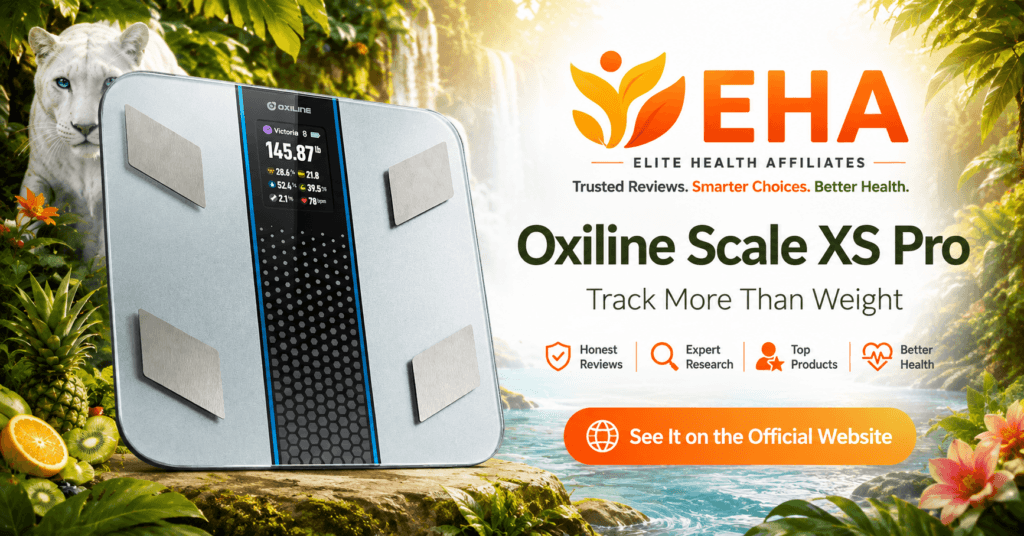
The important thing is to use those readings for trend tracking, not to treat every individual measurement as precise or diagnostic.
Who This Health-First Approach Is Best For
A health-first approach can work well for anyone who has become frustrated by using body weight as the only measure of success. It is especially useful for people who are exercising regularly, trying to preserve or build muscle, or making lifestyle changes that may improve health before they create a dramatic change on the scale.
It can also be helpful for people who have experienced repeated cycles of losing weight quickly and regaining it later. Shifting the focus toward sustainable habits, better nutrition, regular activity, and broader measures of progress can make the process feel more realistic and easier to maintain.
This approach is not about ignoring weight. It is about putting weight in the proper context. If weight loss is appropriate for your goals, it can still be part of the plan. The difference is that success is measured by more than one number, giving you a better way to recognize whether your overall health habits are actually moving in the right direction.
Frequently Asked Questions About Getting Healthy
Is getting healthy the same as losing weight?
No. Losing weight means your total body weight is decreasing, while getting healthier can involve improvements in body composition, strength, fitness, nutrition, sleep, energy, and other health markers. Weight loss may be part of improving health, but it is not the only measure that matters.
Can you get healthier without losing weight?
Yes. Someone can improve strength, cardiovascular fitness, eating habits, sleep, and body composition without seeing a major change in total body weight. In some cases, losing fat while preserving or gaining muscle can also make the scale move more slowly than expected.
Why does my weight change so much from day to day?
Daily weight can fluctuate because of hydration, sodium intake, carbohydrate intake, digestion, hormonal changes, and other normal factors. That is why longer-term trends are usually more useful than reacting to a single weigh-in.
What should I track besides body weight?
Useful options include waist measurements, how your clothes fit, strength, endurance, activity levels, energy, sleep, and consistency with healthy habits. Body-composition estimates can also provide additional context when they are tracked over time.
Are smart-scale body-composition readings accurate?
Home smart scales provide estimates rather than clinical measurements. Individual readings can be influenced by factors such as hydration, meals, and exercise, so they are generally more useful for watching trends than judging one specific result.
Should I stop weighing myself altogether?
Not necessarily. Body weight can still be useful information, especially when weight loss is part of your health goals. The key is to avoid treating the scale as the only measure of whether you are making progress.
EHA Verdict

Getting healthy and losing weight can absolutely go together, but they should not be treated as the same goal. A lower number on the scale can be useful progress for some people, but it does not automatically tell you whether your body composition, fitness, nutrition, strength, or overall health habits are improving.
At EHA, we believe the better approach is to use body weight as one piece of the picture. Pay attention to longer-term trends while also looking at measurements, activity, strength, energy, sleep, and the habits you are actually building.
If the scale is moving slowly but your waist is shrinking, you are getting stronger, your clothes fit better, and healthier choices are becoming easier to maintain, those changes matter. The goal should not simply be to weigh less. It should be to build a healthier routine that you can realistically sustain.
The Better Goal: Improve Your Health, Not Just Your Weight
The scale can be useful, but it was never designed to measure everything that matters about your health. It cannot show the strength you have gained, the habits you have changed, the improvements in your fitness, or the progress happening in your body composition.
That is why long-term success is better measured by the direction of your overall health rather than one isolated number. If weight loss is part of that journey, use it as one helpful marker while continuing to focus on nutrition, movement, recovery, consistency, and other meaningful signs of progress.
Getting healthier is not about ignoring the scale. It is about putting the scale in its proper place and recognizing that real progress is often much bigger than what one number can show.
If weight loss is one of your goals, the next step is building a realistic plan around nutrition, activity, consistency, and long-term habits. Our How to Lose Weight for Women guide takes a more practical look at those strategies and how they can fit into a sustainable approach.
Explore More Nutrition & Weight Management Guides
Getting healthier is rarely about finding one perfect number, diet, or tracking method. The better approach is understanding what your body needs, building habits you can maintain, and using the right tools to help you see progress more clearly.
Visit our Nutrition & Weight Management category for more EHA guides covering healthy eating, sustainable weight management, nutrition tracking, and tools designed to make everyday health decisions easier.