

Getting a good night’s rest is easier said than done but following the right strategies can make all the difference. These 10 tips for better sleep are designed to help you drift off more easily, sleep more deeply, and wake up feeling refreshed and energized.
If you struggle with falling asleep, staying asleep, or waking up tired, you know how much it affects your energy, focus, and overall well-being. Sleep isn’t just downtime—it’s a cornerstone of health.
In this guide, we’ll walk you through practical, research-backed strategies that help you sleep better, feel more alert, and improve your overall health. You’ll learn how to optimize your bedtime routine, create a sleep-friendly environment, and manage factors—like late-night screen time and blue light exposure—that often disrupt sleep.
Sleep hygiene is key. It’s the combination of habits, routines, and environmental tweaks that support high-quality sleep. Even small adjustments can make a big difference in how restorative your nights really are.
By following these tips, you can gradually transform your sleep habits and start waking up ready to take on the day—without relying on caffeine or sleep aids.
This post contains affiliate links. If you purchase through them, we may earn a small commission at no extra cost to you.

Table of Contents
The Effects of Poor Sleep Hygiene
Numerous studies link poor sleep hygiene to a higher risk of obesity, diabetes, cardiovascular disease, and anxiety. Imagine trying to function at your best while running on low battery every day—not ideal, right?
You’ve probably heard the saying, “a good day starts the night before.” Getting enough restful sleep can be the difference between a productive, energized day and one where everything feels sluggish. Yet, many of us are falling short. Statistics show a large portion of adults regularly miss the recommended 7–9 hours of sleep.
So, why are so many people tossing and turning at night? Common culprits include:
- Exposure to blue light from phones, tablets, and laptops that keep your brain wired when it should be winding down
- Stress from daily responsibilities
- Eating habits close to bedtime that interfere with sleep quality
- Sleep environment that isn’t optimized for rest
Even small changes, like reducing screen exposure or managing lighting, can make a significant difference. Later, we’ll cover practical strategies—including using blue light blocking glasses—to protect your eyes and support deeper, more restorative sleep.

Decoding the Impact of Blue Light on Sleep
Have you ever noticed that after hours of scrolling on your phone or working on your laptop before bed, falling asleep feels like an uphill battle? The culprit is often blue light, a type of light with short wavelengths that naturally boosts alertness and mood during the day—but becomes a sleep disruptor at night.
Blue light doesn’t just exist; it actively interferes with your circadian rhythm, the body’s natural sleep-wake cycle. Evening exposure can trick your brain into thinking it’s still daytime, delaying the release of melatonin, the hormone that signals your body to wind down.
In today’s digital world, screens are everywhere, flooding your evenings with excessive blue light. Fortunately, there’s a practical solution: blue light blocking glasses. By filtering out these disruptive wavelengths, they can help your body relax naturally, making it easier to fall asleep and stay asleep.
If you’re curious whether glasses can make a real difference, research backs it up. Studies show that wearing blue light blocking glasses in the evening can improve sleep quality and even boost next-day alertness and productivity.
For best results, swap your regular specs for a pair of high-quality blue light blocking glasses, such as Swanwick Sleep glasses, a few hours before bedtime. This small adjustment can be a game changer for your sleep health.
And while glasses are highly effective, they’re not your only tool. Anti-blue light bulbs can also transform your bedroom into a sleep-friendly environment, providing warm, eye-safe lighting that supports restorative sleep. Together, these strategies help create a comprehensive approach to winding down naturally.
Creating a Restful Environment with the Right Tools
Crafting a sleep-conducive environment is more important than many realize. It’s not just about a comfortable mattress or a cool room; managing light and sound can make a huge difference in how quickly you drift off.
Lighting plays a major role. Traditional bulbs emit a spectrum of light that can mimic daylight, which is great during the day—but not ideal when winding down. This is where anti-blue light bulbs come in. By replacing your regular bulbs with ones that minimize blue light, you can prevent your brain from receiving alerting signals that interfere with melatonin production.
Even more, blue light blocking glasses, like those from Swanwick Sleep, can provide an added layer of protection. Wearing them in the evening helps your body transition naturally into sleep mode, even if you need to check your phone or tablet before bed.
Sound management is equally important. Noise can sabotage sleep, whether it’s traffic, a neighbor’s TV, or household activity. Sound-blocking earbuds or a white noise machine can help create a calm, uninterrupted environment, letting your brain fully relax.
With these tools—strategic lighting, blue light protection, and sound control—you’re giving yourself the best shot at quality, restorative sleep. Next, we’ll explore actionable habits and routines that complement this setup for even deeper, more consistent rest.

Top 10 Tips for Better Sleep
If you’re ready to turn tossing and turning into restful nights, these 10 tips for better sleep will guide you toward waking up refreshed and energized.
- Stick to a consistent sleep schedule. Go to bed and wake up at the same time every day, yes—even on weekends. Your body thrives on routine, and this consistency helps regulate your natural clock.
- Stay active during the day. Regular exercise promotes deeper sleep but avoid intense workouts too close to bedtime.
- Optimize your sleep environment. Check that your mattress is supportive, your pillows are comfortable, and your bedding invites rest.
- Control noise. If sounds keep you awake, sound-blocking earbuds or a white noise machine can help you sleep undisturbed.
- Keep your room cool and ventilated. Slightly cooler temperatures help your body relax and improve sleep quality.
- Limit bright light at night. Swap out harsh bulbs for anti-blue light lighting and consider wearing blue light blocking glasses—like Swanwick Sleep glasses—to help your body naturally wind down.
- Establish a bedtime ritual. Whether it’s reading, meditating, or taking a warm bath, a consistent wind-down routine signals your body that it’s time to rest.
- Be mindful of caffeine and heavy meals. Both can disrupt sleep, so avoid them in the hours leading up to bedtime.
- Nap strategically. If you nap, keep it brief and early in the day to prevent interference with nighttime rest.
- Clear your mind. Journaling your thoughts or worries before bed can unclutter your mind, making it easier to drift off.
Following these 10 tips for better sleep can dramatically improve both the quality and duration of your rest. Combine these habits with tools like blue light blocking glasses and anti-blue light bulbs, and you’re setting yourself up for nights of deeper, more restorative sleep.
Finding Solutions: How to Wake Up Feeling Refreshed
Understanding the problem is one thing—but finding real solutions is where the difference lies. As a registered nurse, I wanted to identify tools and strategies that genuinely support restorative sleep, complementing the 10 tips for better sleep we just covered.
That’s where Swanwick Sleep comes in. This company has zeroed in on the modern disruptors of sleep—from blue light exposure to environmental factors—and designed products that address them head-on. Their blue light blocking glasses and anti-blue light bulbs are crafted to help you fall asleep faster, stay asleep longer, and wake up feeling truly refreshed.
By combining these practical solutions with consistent sleep habits, you can take a proactive approach to your sleep health—making groggy mornings and restless nights a thing of the past.

Evening Screen Habits & Blue Light
One of the biggest sleep disruptors today isn’t noise or temperature—it’s the screens we use before bed. Smartphones, tablets, laptops, and even TVs emit high-energy blue light that signals your brain to stay alert, delaying melatonin production and making it harder to drift off.
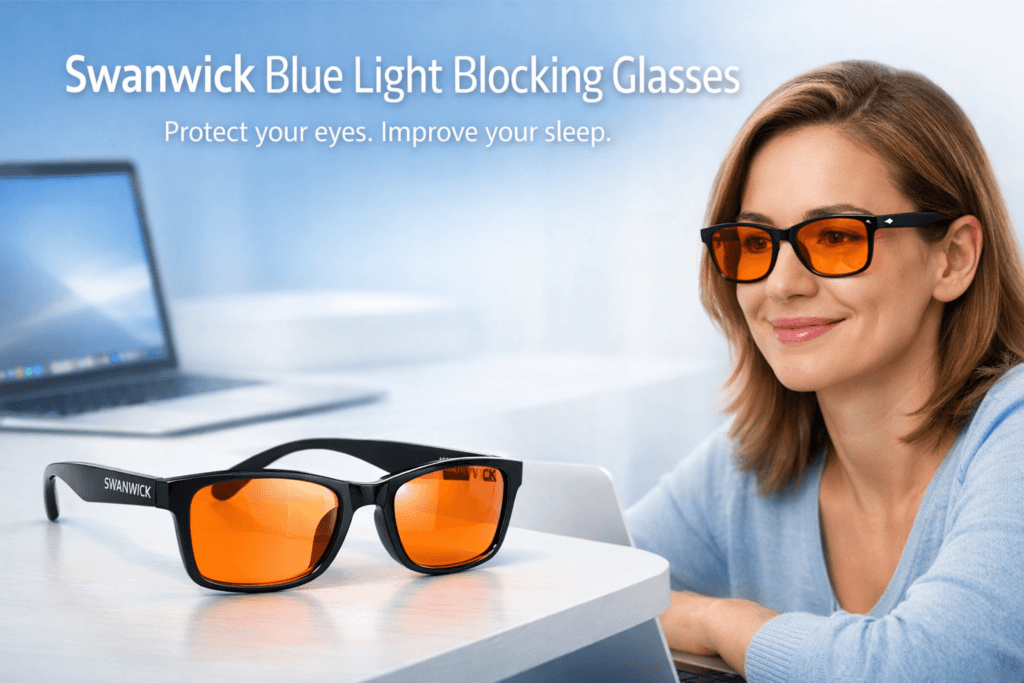
That’s where a simple adjustment can make a huge difference. Using blue light blocking glasses, like those from Swanwick Sleep, can filter out a significant portion of this disruptive light. Studies show that reducing blue light exposure in the evening can improve sleep onset, sleep quality, and even next-day alertness.
It’s not about eliminating screen time completely (because let’s face it, that’s unrealistic for most people)—it’s about protecting your body from the harmful effects of blue light while still enjoying your devices. Pairing this habit with the 10 tips for better sleep creates a powerful foundation for more restful nights.
Final Thoughts
Improving your sleep doesn’t have to be complicated—small, intentional changes can make a big difference. Following the 10 tips for better sleep is a fantastic starting point, and adding the right tools for better rest can take your nights to the next level. Whether it’s a comfortable sleep mask, blue light blocking glasses, or sound-blocking earbuds, these solutions help create an environment that supports restorative sleep.
Investing in these tools isn’t just about products—it’s about improving the quality of your nights, which naturally enhances the quality of your days. Why wait for another restless night when the right habits and supportive accessories from Swanwick Sleep could help you finally get the peaceful, refreshing sleep you deserve?
Thanks for reading, we look forward to your visit at EliteHealthAffiliates.com – Your Health and Wellness Authority